Friday, July 4, 2014

REPOST: The Strategy That Will Fix Health Care

How can the healthcare sector achieve the best outcomes at the lowest cost? Find out in the article below.

Image Source: disabilityscoop.com

In health care, the days of business as usual are over. Around the world, every health care system is struggling with rising costs and uneven quality despite the hard work of well-intentioned, well-trained clinicians. Health care leaders and policy makers have tried countless incremental fixes—attacking fraud, reducing errors, enforcing practice guidelines, making patients better “consumers,” implementing electronic medical records—but none have had much impact.


It’s time for a fundamentally new strategy.


At its core is maximizing value for patients: that is, achieving the best outcomes at the lowest cost. We must move away from a supply-driven health care system organized around what physicians do and toward a patient-centered system organized around what patients need. We must shift the focus from the volume and profitability of services provided—physician visits, hospitalizations, procedures, and tests—to the patient outcomes achieved. And we must replace today’s fragmented system, in which every local provider offers a full range of services, with a system in which services for particular medical conditions are concentrated in health-delivery organizations and in the right locations to deliver high-value care.


Making this transformation is not a single step but an overarching strategy. We call it the “value agenda.” It will require restructuring how health care delivery is organized, measured, and reimbursed. In 2006, Michael Porter and Elizabeth Teisberg introduced the value agenda in their book Redefining Health Care. Since then, through our research and the work of thousands of health care leaders and academic researchers around the world, the tools to implement the agenda have been developed, and their deployment by providers and other organizations is rapidly spreading.


Image Source: telegraph.co.uk


The transformation to value-based health care is well under way. Some organizations are still at the stage of pilots and initiatives in individual practice areas. Other organizations, such as the Cleveland Clinic and Germany’s Schön Klinik, have undertaken large-scale changes involving multiple components of the value agenda. The result has been striking improvements in outcomes and efficiency, and growth in market share.


There is no longer any doubt about how to increase the value of care. The question is, which organizations will lead the way and how quickly can others follow? The challenge of becoming a value-based organization should not be underestimated, given the entrenched interests and practices of many decades. This transformation must come from within. Only physicians and provider organizations can put in place the set of interdependent steps needed to improve value, because ultimately value is determined by how medicine is practiced. Yet every other stakeholder in the health care system has a role to play. Patients, health plans, employers, and suppliers can hasten the transformation—and all will benefit greatly from doing so.


Image Source: azbilingual.com

Defining the Goal


The first step in solving any problem is to define the proper goal. Efforts to reform health care have been hobbled by lack of clarity about the goal, or even by the pursuit of the wrong goal. Narrow goals such as improving access to care, containing costs, and boosting profits have been a distraction. Access to poor care is not the objective, nor is reducing cost at the expense of quality. Increasing profits is today misaligned with the interests of patients, because profits depend on increasing the volume of services, not delivering good results.


In health care, the overarching goal for providers, as well as for every other stakeholder, must be improving value for patients, where value is defined as the health outcomes achieved that matter to patients relative to the cost of achieving those outcomes. Improving value requires either improving one or more outcomes without raising costs or lowering costs without compromising outcomes, or both. Failure to improve value means, well, failure.


David Wildebrandt of Berkeley Research Group assists healthcare organizations in developing long-term solutions that will help them enhance their operations and improve value for patients. Learn more about his work on this Facebook page.

Thursday, June 5, 2014

REPOST: Healthcare Must Prioritize Operational Analytics

Brian Denton of InformationWeek discusses the ways that health systems CIOs can take full advantage of the wealth of data available to them.

Health system CIOs can access a wealth of data on the use of precious resources, from clinicians to MRI machines. Here are specific steps to start using that data better.

For healthcare CIOs, trying to make operational improvements through better data analysis should be paramount. Optimizing use of expensive resources, improving access for patients, and cutting wait times and red tape are high on the agenda of any hospital executive committee.

There is no shortage of examples of ways to make operational improvements. For example, some health systems have streamlined scheduling to shorten the time it takes for a patient to get in to see a specialist, or for diagnostic procedures such as an MRI or CT scan. Some have collected data on patient no-shows, which are often as high as 20%, to develop ways to overbook and stem the loss of revenues and wasted resources that no-shows can cause.

Others have reorganized the design of their health system to move services such as outpatient surgery into ambulatory surgery centers that can operate efficiently and effectively at lower cost and with increased patient safety.

Many of these projects would not have been easy even five or ten years ago. Now, data collection and analysis techniques have advanced to the point where providers can rapidly implement operational improvement projects, measuring things such as how long it takes from booking an appointment to getting in to see a provider, or the time and steps it takes to get an MRI. However, many health systems are surprisingly still behind the curve in this area of using data to improve operational performance.

Image source: informationweek.com

A lack of data analysis expertise is one reason for this lag, but it doesn't have to be an insurmountable obstacle, even for smaller institutions. What shocks me most after seeing so many successful operational improvements is how many health systems in the United States still do not have the expertise they need. They are missing a major competitive edge. Data is available inside these organizations. But unless they use a scientific approach to turn that data into information and subsequent action, it can mean lower revenue, or even worse, lower quality of care.

So what are the steps that healthcare institutions can take to begin to harness the power of advanced analytics and operations research professionals? Here are a few progressive steps designed to make the move to operational excellence.

Build a center excellence: For large health systems, it is important to build an internal center of excellence charged with measuring performance, identifying best practices, and implementing operational improvement projects. Developing a talent pipeline is a critical activity that takes time and effort, but which holds the opportunity for major improvements to the efficiency and effectiveness of care.

For examples, one can look to some bellwether centers of excellence for this: Mayo Clinic, Duke University, University of North Carolina, and University of Michigan (yes, my very own institution). I've collaborated with all of these institutions.

Partner with universities: For smaller health systems that can't build their own centers of excellence can partner with local, reputable academic organizations to secure student teams and get faculty involved. Student projects are lower cost, yet still quite effective because the student base is at the cusp of moving into the workforce. Student teams get an equal benefit by gaining cutting edge experience, which positions them well for their leap into the workforce. Often the institutions that reach out for assistance from universities end up identifying good students to bring onto their staffs when they graduate.

Partner with nonprofits: Another option is to turn to nonprofit trade organizations, such as INFORMS (the Institute for Operations Research and Management Science), a group I am heavily involved with. Knowledge sharing and peer collaboration is a valuable force in identifying best practices and opening doors to talent. Such groups can also be a source of educational offerings to develop the necessary expertise internally within an organization.

CIOs are increasingly tasked with increasing or at least maintaining revenues associated with high value resources, since that is a crucial component of running any institution. Developing expert professionals in analytics and operations research who are capable of taking on these challenges will require time, effort, and an initial investment. But as other industries have shown, this can have a substantial long term pay off in the form of higher revenues and lower costs, while at the same time improving the quality of care that patients receive.

And there's a new wave of operational understanding coming, where we will predict what may happen months into the future. Imagine getting a glimpse into what impacts proposed system changes will have on your operations: foreseeing the revenue and cost impacts of buying a new MRI, or of hiring additional nurses. This knowledge will help healthcare systems make more informed decisions about which actions to take.

It’s time for health systems to step up and put the same care into the health of their internal operations, as they do for their patients. There are underutilized ways that all health institutions can gain access to analytics brains and brawn, starting with a few ideas suggested in this piece. As an industry, we can bring our analytical minds together. Let's improve the ways that we deliver healthcare by taking advantage of new types of data, making new scientific discoveries in the realm of operational excellence, and leveraging the talent that turns that translates data into better care.

Healthcare operations experts like David Wildebrandt encourage healthcare managers to embrace and make the most of new developments. Follow this Twitter page for more updates on healthcare operations updates and more.

Tuesday, April 29, 2014

REPOST: Exclusive: FBI warns healthcare sector vulnerable to cyber attacks

Innovations in health care has made the storage of medical data in computers possible, but it also puts at risk important information as security technologies are still under development. Read what the FBI has to say in this issue in this article from Reuters.
Image Source: Reuters.com
(Reuters) - The FBI has warned healthcare providers their cybersecurity systems are lax compared to other sectors, making them vulnerable to attacks by hackers searching for Americans' personal medical records and health insurance data.

Health data is far more valuable to hackers on the black market than credit card numbers because it tends to contain details that can be used to access bank accounts or obtain prescriptions for controlled substances.

"The healthcare industry is not as resilient to cyber intrusions compared to the financial and retail sectors, therefore the possibility of increased cyber intrusions is likely," the Federal Bureau of Investigation said in a private notice it has been distributing to healthcare providers, obtained by Reuters.

The notice, dated April 8, did not mention the Obamacare website, Healthcare.gov, which has been criticized by opponents of the Obama administration for security flaws. It urged recipients to report suspicious or criminal activity to local FBI bureaus or the agency's 24/7 Cyber Watch.

FBI spokeswoman Jenny Shearer declined comment on the private industry notification, or PIN. In January the FBI issued a PIN advising retailers to expect more credit card breaches following last year's unprecedented attack on Target Corp.

Details of PINs are typically unclassified, but generally only shared with affected organizations who are asked to keep their contents private.

A series of privately commissioned reports published over the past few years have urged healthcare systems to boost security. Experts applauded the FBI for responding with its own warning.

"I'm really happy to see the FBI doing this. It's nice to see the attention," said Shane Shook, an executive with cybersecurity firm Cylance Inc who helps companies respond to breaches.

Retailers and financial institutions have taken steps to bolster security of financial information after the attack on Target as well as smaller breaches at Neiman Marcus, Michaels and other merchants. Hackers accessed millions of bank card numbers and other customer data.

As those stolen payment card numbers flooded underground markets, the value of that information dropped, leading to "fire sales" by criminals seeking to unload them, said Angel Grant, senior manager for fraud and risk intelligence at EMC Corp's RSA security division.

Demand for medical information, however, remains strong on criminal marketplaces, experts said, partly because it takes victims longer to realize the information has been stolen and report it, and because of the different ways the information can be used.

Cyber criminals were getting paid $20 for health insurance credentials on some underground markets, compared with $1 to $2 for U.S. credit card numbers prior to the Target breach, according cybersecurity firm Dell SecureWorks.

Some criminals use medical records to impersonate patients with diseases so they can obtain prescriptions for controlled substances, Grant said. Several U.S. states, including Massachusetts, have reported a surge in opiate addiction, along with a jump in heroin overdoses that the Obama administration has called a "public health crisis".

Others criminals are purely interested in using the medical data for financial fraud.

"They are harvesting information to make it easier to conduct identity theft, to open new accounts," Grant said.

Pieces of health information are also sometimes combined with other pieces of data into complete packages known as "fullz" and "kitz" on underground exchanges where they can fetch$1,000 or more when bundled with counterfeit documents, according to Dell.

The two-page FBI alert cited a February 2014 report from the non-profit SANS Institute, which trains cybersecurity professionals. SANS had warned the healthcare industry was not well-prepared to fight growing cyber threats, pointing to hundreds of attacks on radiology imaging software, video conferencing equipment, routers and firewalls.
Healthcare operations experts like David Wildebrandt support efforts that boost advancements in healthcare management. Follow this Twitter account for more related discussions on improving healthcare operations .

Tuesday, April 1, 2014

REPOST: Business-savvy physicians become transformative leaders

A developing trend among physicians to improve their leadership and clinical skills is to attend and complete business training. Lisa Hooker writes about this on her article for the Columbus CEO.


 Martha Buckley, MD with her team at Fairfield Medical Center
Image Source: ColumbusCEO.com


Last year, Fairfield Medical Center’s Chief Medical Quality Officer Martha Buckley, MD, added the Physician Leadership Institute of Ohio (PLIO) to her already extensive educational credentials.
“Being part of the Leadership Institute really reinforced the need for physicians to be business savvy,” Buckley says. “To be a good doctor today you need more than clinical skills. That’s the changing paradigm. It’s learning how to work together as a team across the medical center, because team-based care is how we deliver quality healthcare.”

Buckley represents a growing trend: doctors seeking business training to enhance their clinical skills. “The workplace is changing rapidly. It’s trending that independent, private physicians are shifting to employment in a hospital setting. Many are moving up the hospital administration ranks to essentially become physician-executives,” says Reggie Fields, Ohio State Medical Association (OSMA) communications and external affairs director. Across Ohio, 46 percent of physicians are employed, Fields said.

That new role requires new skills. “When doctors work privately, they’re their own boss and may take care of the operational aspects of the practice. As they move into hospital employment, they encounter different organizational dynamics. PLIO helps them develop additional skills that they can utilize in these new situations,” Fields says.

PLIO, a partnership between OSMA and the Ohio Hospital Association (OHA), develops this new pool of talent. The graduating doctors have the knowledge, skills and experience to become transformative leaders at their hospital system.

The Ohio State University’s Fisher College of Business also offers several programs that focus not only on leadership, but also system and operational quality.

“Business principles can have a wonderful impact in healthcare. Not that you run healthcare like a business, but the disciplines, insight and tools that have been honed for years in the business community now are being successfully applied in healthcare. It’s fertile ground for the work we do,” says Larry Murphy, Carol L. Newcomb-Alutto Executive Director, Executive Education at Fisher College.

Healthcare reform and ever-changing regulations are adding to the need for business knowledge, too. “It’s the push for quality and increased patient care management that’s driving hospitals and doctors to work together more closely,” says Cliff Lehman, OHA senior vice president of membership services and operations.

Health systems that are actively developing their culture to include skilled physician-executives have an array of options to choose from. With the proper training, physicians on the fast track in administration can help their hospital improve operational efficiencies, reduce costs and, ultimately, enhance patient outcomes.


Physicians Leadership Institute of Ohio
 
Physicians enrolled in PLIO are up-and-coming leaders at their health system, or they may have already begun to serve in leadership roles.

“They’re finding themselves in positions where they’re making decisions and implementing ideas that impact the bottom line and patient experience,” Fields says.

The class meets four times for a day-and-a-half over 10 months. Eighteen physicians, including Buckley, graduated from the first class in November 2013. Berger Health System in Circleville and Mount Carmel Health System enrolled doctors in the current class of 13 that will graduate in July 2014.

OHA and OSMA looked to the University of South Florida’s Physician Leadership Institute for the program’s design, structure, curriculum and faculty.

“Medical school and residency focus on clinical patient care, but healthcare delivery is much more complicated. Clinical and non-clinical people work side-by-side in team-based care to deliver quality patient care. Being an effective physician- leader goes well beyond diagnosis and treatment,” says Buckley, who also works part time as a hospitalist physician.

PLIO takes an experiential approach. Doctors learn to see themselves as leaders, inspire their teams, build consensus for change and deliver transformative outcomes. “The program puts their clinical expertise into a different focus. For example, doctors certainly are used to having difficult conversations with patients, but now those conversations may be with other employees as they work to bring about organizational change,” Lehman says.

“Those skills are not taught in medical school,” Buckley says. “They’re not intuitive to everyone, but they’re certainly teachable.”

Each doctor undergoes a skill assessment at the beginning and end of the session. They also are paired with a personal coach. “The coaches help them clarify and put the skills they’re learning into practice. They offer suggestions as the doctors go about their day-to-day work,” Lehman says.


OSU’s Fisher College of Business
 
The Academy for Excellence in Health Care is a non-degree program offered through Fisher College. It helps healthcare organizations identify and solve operating challenges. The Academy is a partnership with Cardinal Health, which has experience with LEAN management principles, that combines academic and industry experience.

Employee teams with expertise in functional support areas, direct patient care leadership and supply chain or materials management are good candidates for the academy. The project-based approach blends in-person classes with a hands-on project, interactive simulations and personal coaching.

“We launched our inaugural cohort in February 2014 with five teams, or about 20 total participants, from hospitals across the country,” Murphy says. Fisher College expects to conduct two to three cohorts annually.

“After a week on campus, they take on a project at their home hospital using the tools they’ve learned. They come back in a few months to report the progress and results. During that time, they work with their coach,” Murphy says.

For some doctors a more rigorous business curriculum is a better fit.

“Fisher College’s Executive MBA program is seeing increased participation among physicians. Eight doctors are enrolled in the current class that has 41 students,” Murphy says. “They come for a variety of reasons. Some are rising through the managerial and administrative ranks at their hospital. Others are pursuing entrepreneurial ideas alongside their medical practice.”

Fisher College’s Master of Business in Operational Excellence (MBOE) for Healthcare targets employees seeking greater acumen in operations. It teaches value stream management, employee engagement, waste reduction, capability building and innovation. The purpose: improve end-to-end physical and information flow so patient safety and satisfaction is improved.

“It was clear that what I was learning was immediately applicable,” says Susan Moffatt-Bruce, MD, PhD. The thoracic surgeon became OSU’s Wexner Medical Center’s chief quality and patient safety officer in 2010. That year she also enrolled in MBOE for Healthcare.

“It’s steeped in continuous improvement, but leadership and change management is embedded throughout the program. You must embrace it to meet the challenges of accountable healthcare and the reforms we’re experiencing at every level and in every department,” Moffatt-Bruce says.

Currently about 45 professionals from across the country are enrolled in MBOE for Healthcare. “Some are physicians and other clinical employees, but we also have a number of non-clinical employees who impact their healthcare system’s operations in some way,” Murphy says.

“MBOE’s curriculum gives us tools to meet the challenges that are ahead of us. It doesn’t matter if you’re a physician or not, it’s totally translatable across all healthcare disciplines,” Moffatt-Bruce says.

The thread that runs through all of the leadership and business development offerings is recognition that the students are already well-educated and deeply committed to their profession. “They learn for a living,” Murphy says. “They’re experiencing significant changes and are looking for tools to help them manage that change. They see the need to be a leader and a strategic thinker, and that’s what our programs develop in them.”


For more than 15 years, David Wildebrandt of the Berkeley Research Group has been helping healthcare organizations in improving their operations. More information about his work can be found here.

Wednesday, March 5, 2014

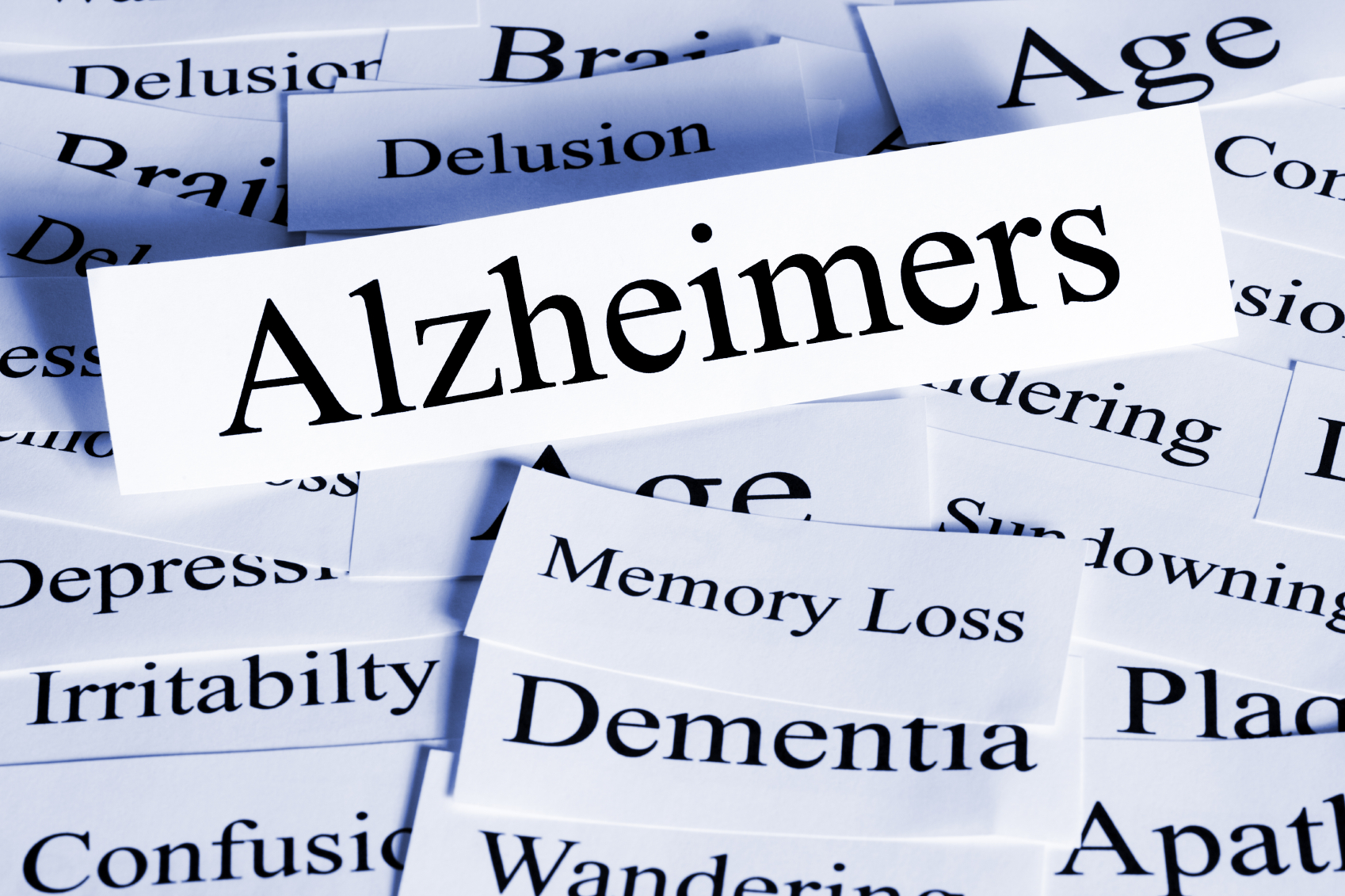
An Alzheimer’s caregiver guide to coping with stress

Being a caregiver for someone with Alzheimer’s could be a very stressful job. The needs of the patient have to be taken into consideration all the time, and caregivers often get in to situations where their efforts could go to waste with even the smallest of mistakes, whether theirs, or worse, their patients’.

Image source: musingsofahousewife.com


The toll that such pressure exerts on a caregiver could have a significant strain on their mental health: 40 to 70 percent of Alzheimer’s caregivers suffer from depression and other anxiety-related ailments due to the constant stress. And the stress of the job could be extremely overwhelming for some caregivers, especially those related to the patient. Study shows that “compared to other caregivers, caregiver spouses aged 66 to 96 had a 63 percent mortality rate.”

Image source: papyrus.greenville.edu


Fortunately, these numbers are not lost on experts. World health ministers have acknowledged the emotional and physical toll of caring for people with Alzheimer’s, and efforts are now in place to help caregivers effectively deal with the demands of their job.

Below are some practical tips that could help Alzheimer’s caregivers cope at work:

Do some reflection – Caregivers experience a full range of emotions while caring for someone with Alzheimer’s. These can range from anxiety to anger, and everything in between. Caregivers need to take a little time each day to calm down and process these feelings to eliminate any stressful situation.

Keep fit – When all the attention is focused on the patient, it can be all too tempting to disregard one’s own health. Some caregivers may not get enough rest or nutrition or even have little time to exercise. They need to looking after themselves, too, so that they are in better condition to care for their patient.

Image source: dailyperricone.com


Ask for help–Caregivers could turn to their family and friends when they need help physically, psychologically, or emotionally.

David Wildebrandt is a healthcare operations expert and the director of Berkeley Research Group. Follow this Twitter account for select news on health care and healthcare operations.

Monday, February 24, 2014

Clinical efficiency, the David Wildebrandt way

http://watchdog.org/category/issues/health-care/ 
Image Source:  watchdog.org

Having served as senior vice president of Baptist Health Care in Northwest Florida and President of Baptist Hospital Inc., David Wildebrandt today shares his experience in healthcare management and metrics with the Berkeley Research Group’s Healthcare Performance Improvement practice. With over 15 years of experience in healthcare operations, he is adept in improving contribution margins and efficiency in healthcare practices.

A strong believer in physician engagement, Mr. Wildebrandt has knowledge on how to healthcare practices can improve clinical performance while guiding them through the daunting fiscal environment of the present. Along the way, he advises on improving patient outcomes and cultivating a culture of engagement in the practice. He had been affiliated with the American College of Health Care Executives, the American Hospital Association, and the Florida chapter of the Healthcare Financial Management Association, and such memberships opened his eyes to the many shades of healthcare reform.

 http://www.thestaffingstream.com/2013/06/13/all-healthcare-staffing-firms-should-work-together-to-embrace-best-practices-with-msps/
 Image Source: thestaffingstream.com

His expertise in management has also benefited other endeavors. He successfully served as the community chairperson for American Cancer Society’s Making Strides Against Breast Cancer Walk in his hometown in Pensacola, Florida. His efforts have helped raise over $500,000 for the cause.

http://www.thestaffingstream.com/2013/01/23/demand-for-healthcare-professionals-remains-high/
Image Source: thestaffingstream.com

Guiding his philosophy is his first-hand experience in the management of a world class medical practice. As President of Baptist Hospital, Inc., he had led the company’s recognition as a Top 100 Company by Fortune Magazine for six consecutive years, which, in turn, led to it being bestowed the Malcolm Balridge National Quality Award. He continues to present his expertise in management and clinical experience as a keynote speaker in various healthcare industries events.  

For more information on David Wildebrandt and the Berkeley Research Group, visit this website.